From Crestline to Big Bear, homeowners in the San Bernardino Mountains know that a well-maintained yard isn’t just about looks—it’s about safety, health, and harmony with nature. Learning how to prune your trees and shrubs is one of the simplest yet most powerful ways to keep your landscape healthy, encourage vibrant growth, and reduce fire risk.
Understanding how to prune is essential for maintaining your landscape.
In this guide, we’ll explain how to prune your plants effectively and provide tips on how to prune for health and aesthetics.
Let’s dive deeper into how to prune correctly to achieve the best results.
In this guide, we’ll walk you through the best times to prune, how to do it step by step, and which native plants require a lighter touch. Whether you’re a seasoned mountain gardener or a new homeowner in Running Springs, Lake Arrowhead, or Green Valley Lake, this article will get your outdoor space looking its best.
In this section, we’ll also cover how to prune effectively for maximum impact.
🕰️ Step 1: Know When to Prune
Timing is everything in the mountains. Our climate—ranging from snowy winters to dry, sunny summers—means plants respond differently than they do in the valley.
🌱 Ideal Pruning Seasons:
- Late Winter to Early Spring (February–April): Best for most deciduous trees and shrubs. They’re still dormant, making it easier to see their shape and remove damage.
- Late Spring to Summer (May–July): Light pruning or shaping evergreens like pine, fir, or cedar.
- Fall (October): Avoid major pruning—new cuts may not heal before the first frost.
⚠️ Avoid pruning in late summer or during drought unless absolutely necessary—it can stress the plant.
✂️ Step 2: Gather the Right Tools
Here’s what you’ll want to have on hand:
- Bypass pruners – for small branches and shrubs
- Loppers – for medium-thick branches
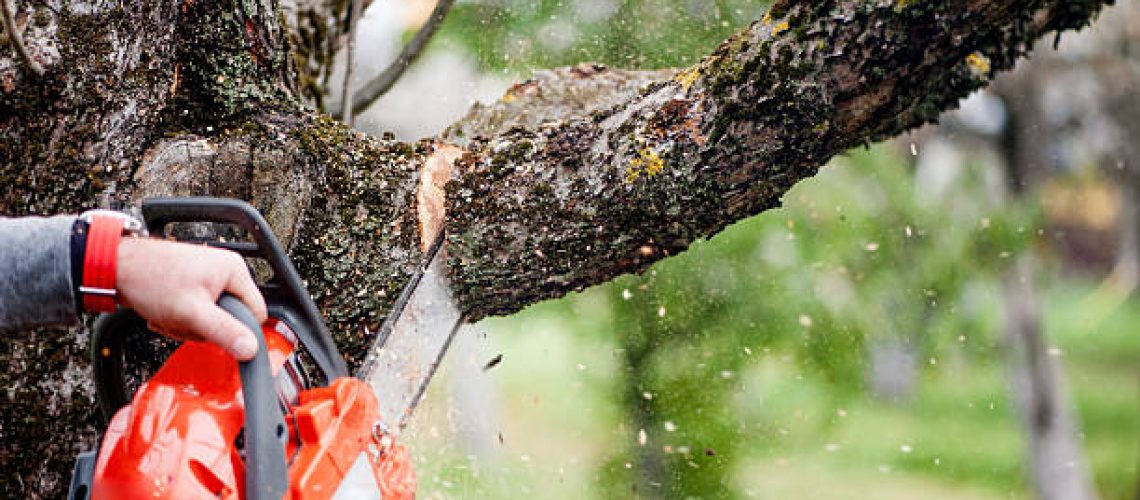
- Hand saw or pruning saw – for anything over 2 inches
- Pole saw – for high or hard-to-reach limbs
- Gloves, eye protection, and long sleeves – especially when pruning thorny or sappy branches
🛠️ You can find quality tools at Rim Forest Lumber
🌿 Step 3: How to Prune – The Right Way
✅ Start With Dead or Diseased Wood
Remove branches that are brittle, broken, or have blackened or discolored bark. Cut back to a healthy bud or branch collar.
✅ Eliminate Suckers and Water Sprouts
These vertical shoots grow quickly but drain energy from your trees. Cut them off at the base.
✅ Thin Out Crossing or Rubbing Branches
Choose the stronger, healthier branch and remove the weaker one to avoid future damage.
✅ Shape the Plant
Knowing how to prune and when to prune can greatly enhance your garden’s growth.
Step back often. Your goal isn’t perfection—it’s health and balance. Shape lightly to improve airflow and sunlight exposure.
📸 Photo Placeholder: Homeowner pruning manzanita with bypass shears in Lake Arrowhead yard.
🔥 Step 4: Prune for Fire Safety
We live in a high-fire-risk area. Pruning plays a critical role in creating defensible space.
🔥 Fire-Safe Pruning Tips:
- Maintain 10 ft of clearance between tree canopies
- Remove ladder fuels—low branches that connect the ground to tree crowns
- Keep shrubs well-spaced and under 3 ft tall within the first 30 feet of your home
🧯 Resources: Cal Fire Defensible Space Guidelines
📍 Need help? Call Mountain Tree Service or a certified arborist familiar with fire-safe landscaping in our region.
🌼 Step 5: Know Your Native Plants
Understanding how to prune for fire safety is essential in our region.
Native plants love our elevation but often require less pruning. Here’s how to care for some local favorites:
Manzanita
- Light shaping in late winter
- Avoid cutting into old wood—only prune green stems
Mountain Mahogany
- Prune for shape and airflow in early spring
- Tolerates light trimming but not heavy shearing
Ceanothus (Wild Lilac)
- Prune lightly after blooming (usually late spring)
- Avoid cutting back hard—can stress the plant
Pines & Cedars
- Remove dead limbs and lower branches annually
- Avoid topping (damages tree health)
Learning how to prune your native plants can lead to a more vibrant garden.
Here’s how to prune these favorites to maintain their beauty.
👷 Step 6: Know When to Hire a Pro
You don’t need to go it alone—especially if you’re dealing with:
- Trees taller than 15 feet
- Limbs near power lines or rooftops
- Diseased or hazardous trees (bark beetles, etc.)
🧰 Trusted Local Arborists & Tree Services:
- Mountain Tree Service – Lake Arrowhead/Running Springs
- Justin Robert’s Tree Service – Big Bear
Let us know if you need a referral—we’ll connect you with someone reliable.
🏡 Prune Smarter, Live Safer
Pruning is more than yard work—it’s a way to protect your home, encourage healthy growth, and enjoy a more beautiful mountain lifestyle. Whether you’re shaping shrubs in Skyforest or trimming oaks in Twin Peaks, a little effort now brings lasting results all year.
👉 Related Articles You May Like:
- Spring Yard Prep in the San Bernardino Mountains
- 5 amazing tips for Dealing with Common Mountain Pests
- Mountain Gardening by Elevation – Coming Soon!
Need expert advice? Contact the Mike Bridges Team powered by EXP Realty—we’re your mountain living resource, and we’re happy to help with referrals or connect you to local services.
Looking to improve your property or finance yard upgrades? Reach out to Imelda Bridges at American Pacific Mortgage to learn more about home improvement financing options.
For more information on how to prune effectively, check out our related articles.
Let us know if you want guidance on how to prune your garden.
Understanding how to prune is a skill that will serve you well as a homeowner.
Our experts can guide you on how to prune safely and effectively.
If you’re unsure how to prune, hiring a professional can be beneficial.
They can show you how to prune effectively for your specific trees.
Understanding how to prune can save you time and enhance your landscape.
With the right knowledge on how to prune, anyone can improve their outdoor space.