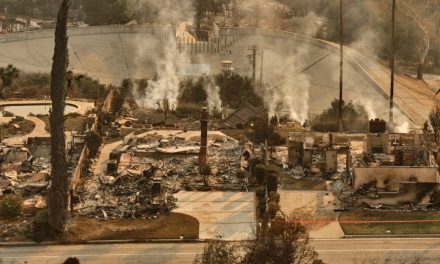
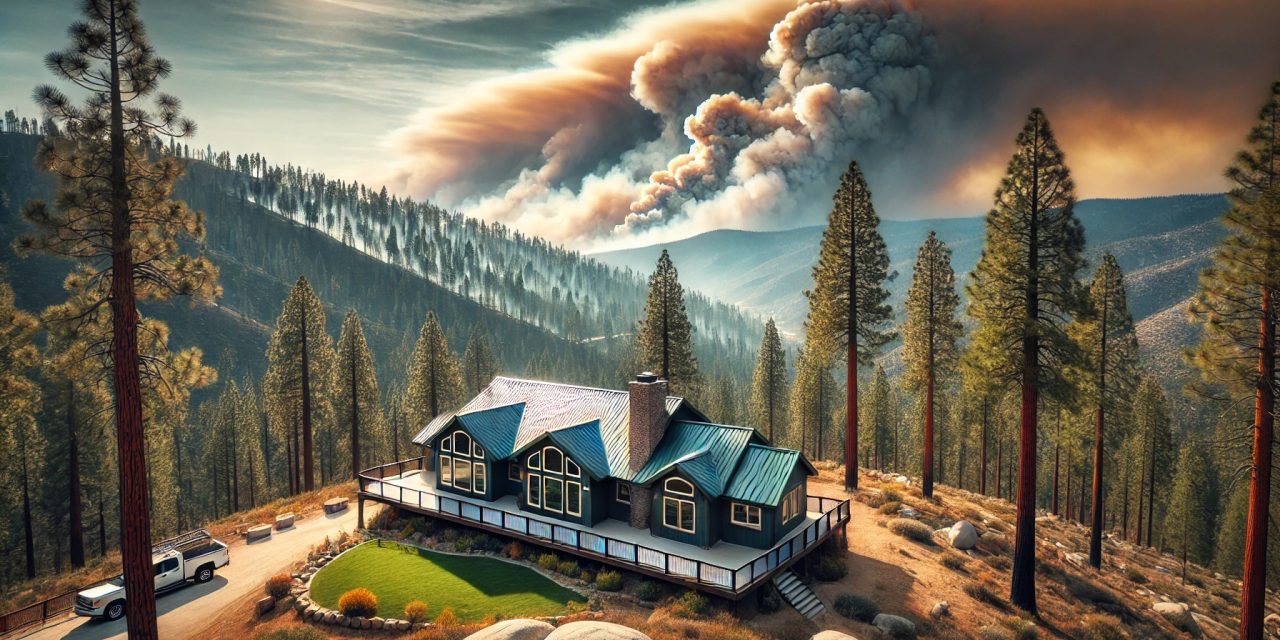
Living in the San Bernardino Mountains is a dream for many, but with that dream comes certain challenges—one of the biggest being homeowners insurance. In recent years, insuring homes in wildfire-prone areas has become increasingly difficult, with rising costs, stricter requirements, and even non-renewals from major insurance providers. If you own a home in the mountains, understanding these challenges and making informed insurance choices is critical to protecting your investment.
Why Insurance is Getting Harder to Find in California
Wildfires in California have caused billions of dollars in damage, and insurance companies have responded by either pulling out of high-risk areas or significantly increasing premiums. The San Bernardino Mountains are no exception. Many homeowners have received notices that their policies will not be renewed, forcing them to seek alternative coverage, often at much higher costs.
Some of the biggest challenges include:
- Fewer Insurance Companies Willing to Write Policies – Many insurers have stopped offering coverage in fire-prone areas, leaving fewer options for homeowners.
- Higher Premiums – Policies that were once affordable have doubled or tripled in cost.
- Increased Home Requirements – To qualify for coverage, homeowners may now need to meet stricter fire safety standards, such as creating defensible space, installing ember-resistant vents, and using fire-resistant materials.
For many homeowners in the mountains, the California FAIR Plan has become the only option. This state-run program provides fire coverage but does not include standard protections like liability, theft, or water damage. To get full coverage, homeowners often need to purchase a separate Difference in Conditions (DIC) policy, which fills in those gaps—but at an additional cost.
What Coverage Do You Really Need?
While rising costs may tempt you to cut corners, reducing coverage could leave you financially vulnerable. Here are the most important coverages to keep in your policy:
1. Dwelling Coverage
Your home’s replacement cost should reflect the true cost to rebuild—not just its market value. With construction costs rising, being underinsured could leave you struggling to rebuild if disaster strikes.
2. Extended Replacement Cost
If multiple homes are lost in a wildfire, construction prices will spike due to demand. Extended replacement cost coverage helps cover these unexpected increases.
3. Personal Property Coverage
Your policy should cover the full value of your belongings. A home inventory, including photos and receipts, can help ensure you’re adequately protected.
4. Additional Living Expenses (ALE)
If a wildfire forces you to evacuate or your home is damaged, ALE coverage helps pay for temporary housing, food, and other essentials while repairs are made.
5. Code Upgrade Coverage
Rebuilding often means complying with updated building codes, which can add thousands to reconstruction costs. This coverage ensures those extra expenses are covered.
6. Liability Coverage
If a fire spreads from your property to a neighbor’s or someone is injured on your land, liability coverage protects you from potential lawsuits.
How to Keep Your Premiums Manageable
While insurance costs are rising, there are ways to lower your premium without sacrificing essential coverage:
- Improve Your Home’s Fire Safety – Clearing defensible space, upgrading to fire-resistant materials, and installing safety measures like ember-resistant vents can qualify you for discounts.
- Bundle Policies – Some insurers offer discounts when bundling home and auto insurance.
- Shop Around – Not all insurance providers calculate risk the same way. A broker who specializes in mountain properties may be able to find better options.
Final Thoughts
The insurance market in fire-prone areas is changing, and homeowners must be proactive to ensure they remain covered. While it may be frustrating to deal with rising costs and policy changes, having the right coverage in place is essential for protecting your home, belongings, and financial future.
If you’re unsure about your current policy or need help navigating your options, now is the time to speak with an insurance professional who understands the unique challenges of mountain living. Cutting coverage to save money may seem like a good idea—until you need it. Don’t wait until the next wildfire season to find out you’re underinsured.ng. Cutting coverage to save money may seem like a good idea—until you need it. Don’t wait until the next wildfire season to find out you’re underinsured.