Gardening in the San Bernardino Mountains offers unique challenges, particularly with local wildlife such as deer and gophers. Implementing raised garden beds in the San Bernardino Mountains not only enhances soil quality and drainage but also provides opportunities to incorporate protective measures against these critters. This guide explores innovative raised garden beds in the San Bernardino Mountains designs and strategies to safeguard your garden, ensuring a bountiful harvest.
1. Hügelkultur Beds with Integrated Wildlife Barriers
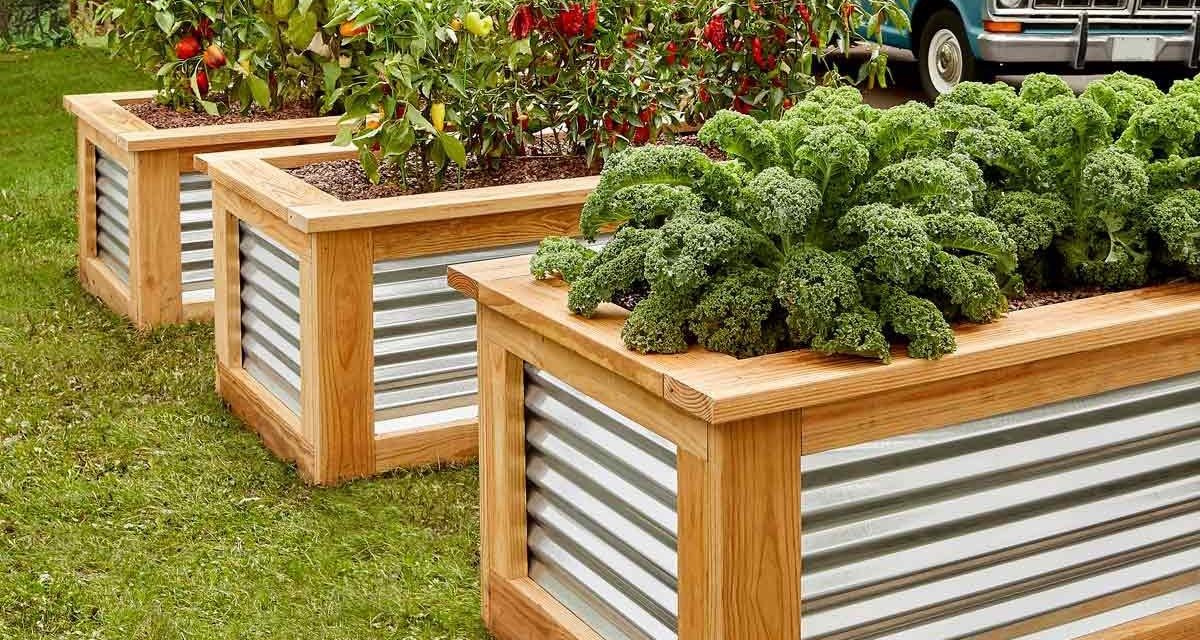
Raised garden beds in the San Bernardino Mountains provide an excellent solution for maximizing your gardening potential while addressing the unique environmental challenges of the area.
By using raised garden beds in the San Bernardino Mountains, you can create a more controlled environment that enhances plant growth and reduces the impact of local wildlife.
Hügelkultur, or “mound culture,” involves creating raised beds by layering logs, branches, compostable materials, and topsoil. To protect against burrowing pests like gophers, line the base of the bed with galvanized hardware cloth before adding organic layers. This mesh barrier prevents gophers from accessing plant roots while allowing proper drainage. Additionally, surrounding the bed with deer-resistant plants such as lavender or sage can deter browsing.
2. Elevated Planters with Gopher-Proofing
Elevated planters reduce the need for bending and can be constructed with built-in defenses against underground pests. Before filling the planter with soil, attach hardware cloth to the bottom to prevent gophers from tunneling through. Incorporate plants like rosemary or mountain mint around the planter’s perimeter; their strong scents are known to repel deer and rabbits. Mountain mint (Pycnanthemum muticum) is particularly effective, as its fragrant leaves deter these animals.
Incorporating raised garden beds in the San Bernardino Mountains not only helps in managing soil conditions better but also keeps your plants safer from pests.
The design of raised garden beds in the San Bernardino Mountains allows for easier maintenance and access, making gardening more enjoyable.
For gardeners in the area, raised garden beds in the San Bernardino Mountains can significantly enhance productivity and yield.
Utilizing raised garden beds in the San Bernardino Mountains ensures that your plants are not only protected but thrive in their optimal environment.
3. Keyhole Gardens with Protective Features
When considering gardening strategies, raised garden beds in the San Bernardino Mountains should be at the forefront of your planning.
To maximize your gardening success, consider the various benefits that raised garden beds in the San Bernardino Mountains bring to your home garden.
Keyhole gardens are circular raised beds with a central composting area and a notch for easy access. To fortify against wildlife, line the base with hardware cloth to block gophers. Construct the outer walls using materials like stone or metal, which are difficult for deer to navigate. Planting deer-resistant species such as California buckthorn (Frangula californica) around the garden’s exterior can serve as a natural deterrent. This native shrub is unpalatable to deer and thrives in various conditions.
Raised garden beds in the San Bernardino Mountains can also complement your landscaping, providing both function and aesthetics.
4. Waffle Gardens with Integrated Fencing
Waffle gardens consist of grid-patterned depressions that capture water efficiently. To protect these low-lying beds, install a perimeter fence using materials like chicken wire or hardware cloth, ensuring it’s tall enough to deter deer—typically 8 feet or higher. For added protection, consider an outward-facing slant or double fencing. Incorporate plants such as deergrass (Muhlenbergia rigens) along the fence line; its dense growth and texture are unattractive to deer.
Embracing the use of raised garden beds in the San Bernardino Mountains is a step towards creating a sustainable gardening practice.
5. Container Gardens with Mobility and Protection
Containers offer flexibility and can be strategically placed to minimize wildlife interference. Utilize pots made of sturdy materials and elevate them on stands or hang them from structures to keep them out of reach of deer and gophers. Intersperse containers with plants known for their deterrent properties, such as sagebrush (Artemisia tridentata), which emits a strong aroma that repels deer.
Additional Protective Measures:
- Hardware Cloth Installation: When constructing any raised bed, secure hardware cloth (with 1/4-inch mesh) to the bottom and sides to prevent gophers and other burrowing animals from accessing plant roots. joegardener.com
- Deer-Resistant Plantings: Incorporate plants that deer find unappealing due to their taste, texture, or scent. Examples include yarrow (Achillea millefolium), anise hyssop (Agastache foeniculum), and creeping barberry (Berberis repens). These species not only deter deer but also add beauty to your garden. sierrafoothillgarden.comen.wikipedia.org
- Physical Barriers: Erect fences around your garden area, ensuring they are at least 8 feet tall to prevent deer from jumping over. For smaller plots, consider constructing cages or enclosures using hardware cloth or netting to protect plants from both ground and aerial wildlife. abundantminigardens.com
By thoughtfully designing your raised garden beds with integrated wildlife deterrents and selecting appropriate plant species, you can cultivate a thriving garden in the San Bernardino Mountains while minimizing the impact of local fauna.
Effective Strategies for Wildlife-Proof Gardening
How To Keep Deer Out Of Your Garden For Good

bhg.com Do Deer Eat Pumpkins? 5 Ways to Protect Both Your Plants and Fall Decor